5 AI Prompt Secrets for Realistic Sculptural Myth Textures (Erosion & Patina)
23 May 2026
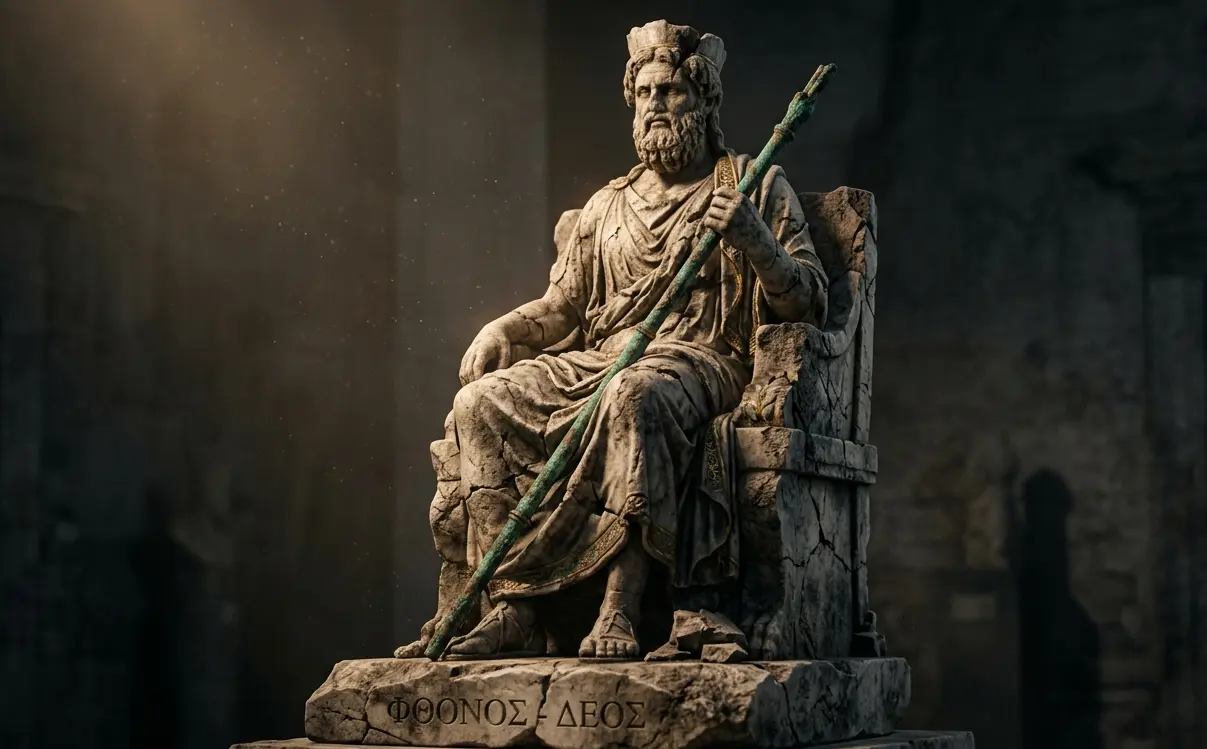
Creating cinematic sculptural myth AI art is no longer just about generating a marble statue or a mythological character. The real difference between amateur-looking generations and professional-quality artwork comes from texture realism. Ancient erosion, cracked stone, oxidized bronze, worn marble, and layered patina effects are what make AI-generated sculptures feel timeless and believable.
Whether you are creating Greek gods, Roman statues, forgotten deities, or fantasy temple sculptures, mastering texture prompts can dramatically improve your results. If you want to experiment directly, you can generate high-quality mythological visuals using the FreeImagesAI generator or explore the dedicated Sculptural Myth AI Art Generator.
1. Describe Material Aging Instead of Just the Subject
One of the biggest mistakes in AI prompting is focusing only on the character or sculpture while ignoring the surface condition. Ancient sculptural textures are shaped by centuries of weathering, decay, and environmental exposure.
A weak prompt looks like this:
Greek god marble statue
A stronger, more realistic prompt would be:
ancient marble sculpture of a Greek god, weathered stone surface, subtle erosion, cracked edges, mineral staining, centuries-old sculptural texture
Adding texture-based language immediately increases realism because modern AI image models respond extremely well to environmental detail and surface imperfections.
2. Use Patina Keywords for Bronze and Metallic Sculptures
Patina is essential when generating bronze mythological sculptures. Without oxidation and aging effects, metallic statues often look flat, plastic, or digitally rendered.
To create realistic ancient metal textures, include terms such as:
- oxidized bronze
- green patina
- aged copper surface
- corroded metal texture
- weathered metallic finish
For example:
ancient mythological bronze sculpture with oxidized green patina, cinematic museum lighting, aged copper texture, realistic corrosion details
These small details create depth and help AI models simulate authentic historical materials.
3. Add Environmental Erosion for Realism
Real ancient sculptures are imperfect because time damages everything. Wind, rain, dust, and temperature changes slowly wear away surfaces, creating organic texture variation that modern AI art often lacks by default.
To simulate realistic erosion, add phrases like:
- rain-worn stone
- surface decay
- dust accumulation
- micro cracks
- chipped marble edges
- wind erosion
Environmental wear helps remove the overly polished “AI look” and creates more believable sculptural myth artwork.
If you need inspiration for advanced texture wording and cinematic prompt structures, the Sculptural Myth Prompt Library contains curated prompt ideas specifically designed for this niche.
4. Combine Texture Language With Cinematic Lighting
Lighting plays a massive role in how textures appear in AI-generated images. Even highly detailed erosion and patina effects can look weak without proper cinematic lighting.
Some highly effective lighting phrases include:
- dramatic side lighting
- museum spotlight
- soft volumetric shadows
- golden-hour reflections
- dark atmospheric contrast
Example:
ancient sculptural myth statue, cracked marble texture, subtle erosion, cinematic side lighting, volumetric shadows, ultra realistic stone details
The combination of texture prompts and directional lighting dramatically improves depth, realism, and visual storytelling.
5. Embrace Imperfections Aggressively
Perfect surfaces instantly make sculptures feel artificial. The best sculptural myth AI art contains imperfections everywhere — uneven stone grain, fractured edges, worn details, and subtle damage accumulated over centuries.
Strong realism keywords include:
- surface pitting
- worn facial details
- fractured stone texture
- aged marble realism
- ancient decay
- uneven sculptural grain
These imperfections create the illusion of physical history and handcrafted artistry, which is exactly what makes cinematic sculptural myth imagery stand out.
Enhance Your Sculptural Myth AI Images
Once you generate your artwork, image quality also matters. Upscaling can significantly improve fine stone textures, erosion details, and metallic patina visibility. You can sharpen and enhance your creations using the AI Upscaling Tool.
If you want to dive deeper into this niche, including advanced prompts, cinematic styles, texture workflows, and sculptural myth inspiration, explore the complete Sculptural Myth AI Art Guide.
Final Thoughts
The secret to stunning sculptural myth AI art is not just choosing the right subject. It is the combination of erosion, patina, material aging, environmental wear, and cinematic lighting that creates truly believable ancient textures.
By layering these prompt techniques together, you can transform simple AI generations into timeless mythological artworks that feel like lost relics from ancient civilizations.
Want to try it yourself? Head back to the generator and start creating.